



Introduction
The construction and surveying industry is rapidly evolving with the adoption of satellite-based technologies. One of the most discussed topics today is machine control gnss vs Traditional Surveying Methods, as companies look for faster, more accurate, and cost-efficient ways to complete projects.
In this article, we will explore how these two approaches differ, where each is used, and why modern construction is increasingly shifting toward automation and GNSS-based systems.
Understanding Traditional Surveying Methods
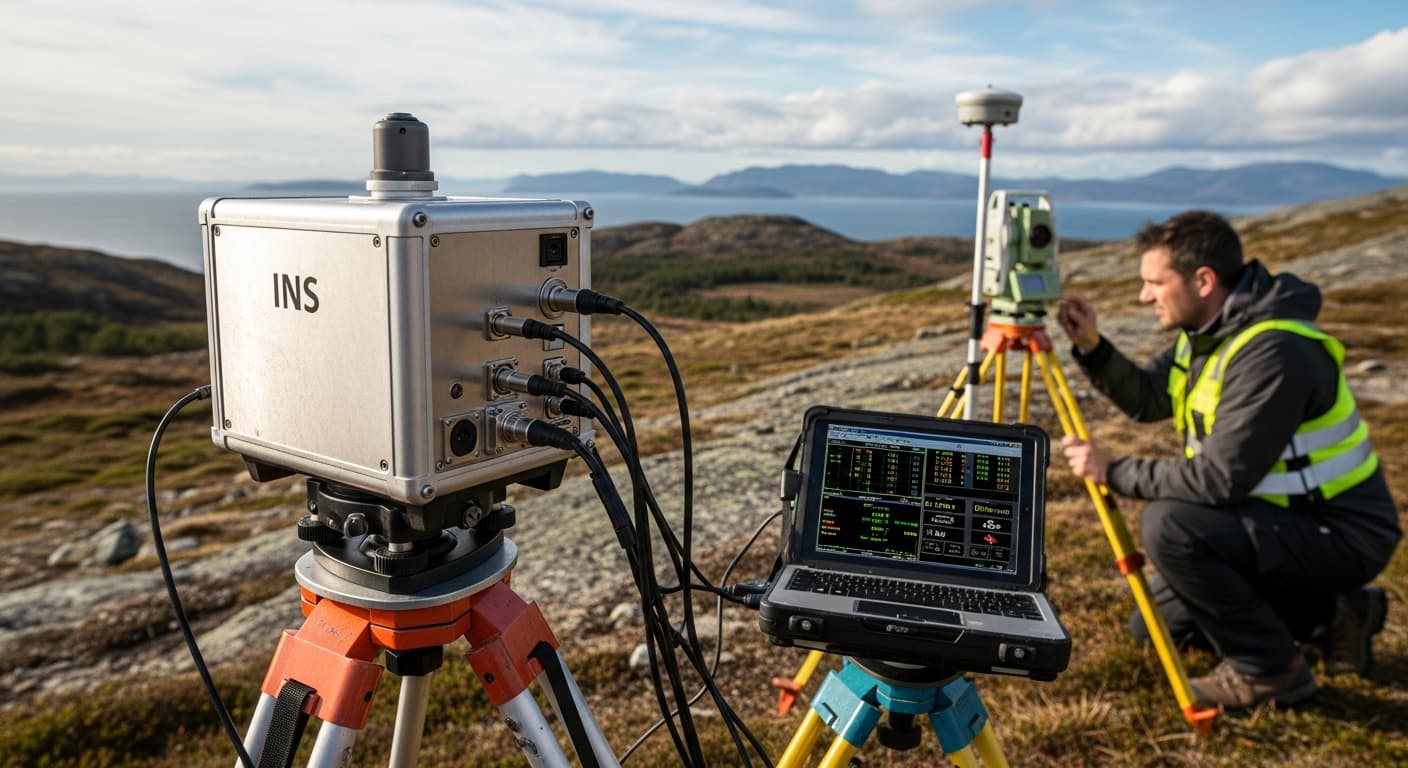
Traditional surveying methods rely on manual tools such as total stations, measuring tapes, and optical levels. Surveyors physically mark points on-site and guide construction teams based on these measurements.
While these methods have been trusted for decades, they come with certain limitations:
- Higher dependency on human labor
- Slower data collection and processing
- Increased chances of human error
- Frequent need for rechecking and adjustments
Despite these challenges, traditional surveying still plays a role in small-scale projects and areas where advanced technology may not be available.
What is Machine Control GNSS?
Machine Control GNSS uses satellite positioning systems to guide construction equipment in real time. Bulldozers, excavators, and graders are equipped with GNSS receivers and onboard computers that follow digital design models.
This technology improves precision and reduces the need for manual staking, allowing operators to work more efficiently and accurately.
Machine Control GNSS vs Traditional Surveying Methods in Accuracy
When comparing Machine Control GNSS vs Traditional Surveying Methods, accuracy is one of the most important factors.
GNSS-based systems provide centimeter-level precision using real-time corrections, whereas traditional surveying depends heavily on manual setup and interpretation. This makes GNSS significantly more consistent for large-scale earthmoving and infrastructure projects.
Productivity and Efficiency Differences
Another key difference in Machine Control GNSS vs Traditional Surveying Methods is productivity.
Machine control systems allow operators to work directly from digital models without waiting for survey stakes or repeated site checks. This reduces downtime and accelerates project timelines.
Traditional surveying, on the other hand, requires continuous site visits by survey teams, which can slow down overall workflow.
Cost Considerations
At first glance, traditional surveying may seem more affordable due to lower equipment costs. However, over time, rework, delays, and labor requirements can increase expenses.
With Machine Control GNSS vs Traditional Surveying Methods, GNSS solutions often lead to long-term savings by reducing material waste, labor hours, and project overruns.
Safety and Workforce Impact
Machine control systems also improve job site safety by reducing the need for workers to enter hazardous areas for manual measurements. Operators can control machinery from safer positions while still achieving high precision.
Traditional surveying exposes workers to more on-site risks due to frequent field movement and manual setup requirements.
Conclusion
In modern construction, Machine Control GNSS vs Traditional Surveying Methods represents a clear shift from manual processes to automated precision technology. While traditional methods still have their place, GNSS-based machine control is becoming the preferred choice for large-scale, efficiency-driven projects..
