



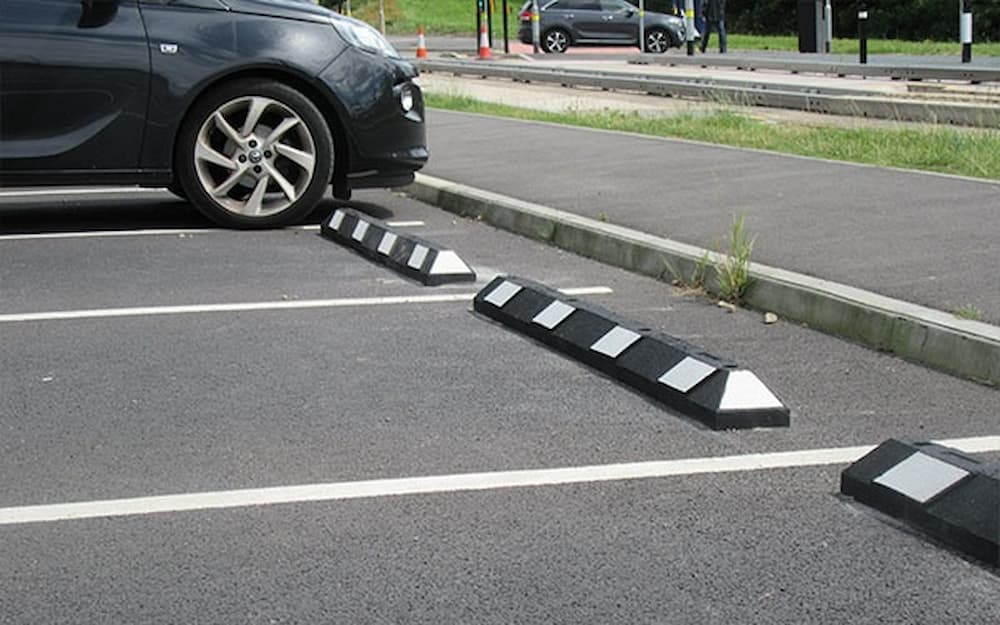
Safety is a top priority in both residential neighborhoods and public spaces. One often overlooked yet highly effective safety measure is the use of wheel stop. These simple devices play a crucial role in preventing accidents and ensuring the well-being of pedestrians and property.
What Are Wheel Stops?
Wheel stops, also known as parking blocks or curb stops, are barriers installed at the end of parking spaces to prevent vehicles from moving beyond a designated area. Typically made of concrete, rubber, or recycled plastic, they are designed to absorb impact and clearly mark boundaries, helping drivers park safely.
Enhancing Pedestrian Safety
One of the primary ways how wheel stops enhance safety in residential and public areas is by protecting pedestrians. By preventing vehicles from rolling into sidewalks or pedestrian zones, wheel stops reduce the risk of accidents, particularly in areas with high foot traffic such as parks, schools, and community centers.
Protecting Property and Infrastructure
Wheel stops also serve to protect property. Vehicles that accidentally move too far forward can damage fences, gardens, or building facades. In public areas such as parking lots or commercial complexes, wheel stops enhance safety in residential and public areas by reducing the likelihood of property damage, which also minimizes repair costs and potential liabilities.
Guiding Traffic and Improving Parking Efficiency
In addition to safety, wheel stops help organize parking and guide traffic flow. Clearly defined parking spaces prevent overcrowding and improper parking, making it easier for vehicles to navigate parking lots. This organization not only improves safety but also creates a more efficient and stress-free environment for drivers.
Why Residential Areas Benefit
In residential areas, children often play outside, and families may have pets roaming near driveways. Installing wheel stops ensures vehicles do not accidentally encroach on these spaces. Thus, how wheel stops enhance safety in residential and public areas becomes particularly evident in preventing accidents and providing peace of mind to residents.
Conclusion
Wheel stops are a simple yet highly effective solution to enhance safety in both residential and public areas. By preventing vehicle overrun, protecting pedestrians, safeguarding property, and improving traffic flow, these devices make communities safer and more organized. Investing in wheel stops is an easy step toward creating secure environments for everyone.
