



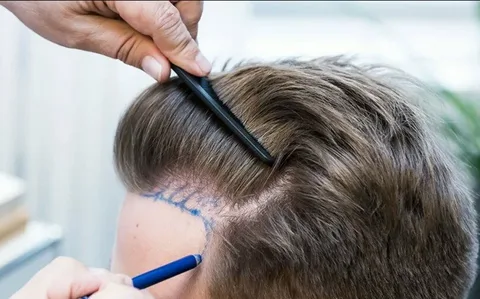
Hair loss is not just a concern for men; many women also face thinning hair or bald patches due to genetics, hormonal changes, or medical conditions. Fortunately, modern solutions like hair transplants are now available for women, offering natural-looking results and boosting confidence. In this article, we’ll explore everything you need to know about hair transplant for women.
Understanding Hair Loss in Women
Hair loss in women can be caused by several factors, including:
- Genetics: Female pattern baldness can lead to gradual thinning over time.
- Hormonal Changes: Pregnancy, menopause, and thyroid issues often affect hair density.
- Medical Conditions: Conditions like alopecia areata or certain medications can trigger hair loss.
- Stress and Lifestyle Factors: Poor diet, stress, and harsh hair treatments may worsen hair thinning.
Understanding the root cause is essential before considering a hair transplant for women, as it helps determine the best treatment plan.
How Hair Transplants Work for Women
A hair transplant for women involves relocating healthy hair follicles from one part of the scalp (usually the back or sides) to thinning areas. There are two main techniques used:
1. Follicular Unit Transplantation (FUT)
FUT involves removing a strip of scalp from the donor area, which is then divided into small grafts and implanted in thinning regions. This method is ideal for women with larger areas of hair loss.
2. Follicular Unit Extraction (FUE)
FUE is a less invasive technique where individual hair follicles are extracted and transplanted. It leaves minimal scarring and has a faster recovery time, making it popular among women.
Both methods require a thorough consultation with a specialist to ensure natural-looking results.
Benefits of Hair Transplants for Women
Undergoing a hair transplant for women offers multiple benefits:
- Permanent Solution: Transplanted hair grows naturally and is permanent.
- Boosted Confidence: Restoring hair can significantly improve self-esteem.
- Low Maintenance: Transplanted hair behaves like natural hair and requires no special care.
Recovery and Aftercare
Recovery after a hair transplant varies depending on the technique used. General guidelines include:
- Avoiding direct sunlight on the scalp for a few weeks.
- Following prescribed medication and shampoo routines.
- Being patient, as new hair growth may take several months to become noticeable.
Is a Hair Transplant Right for You?
Not all women are suitable candidates for a hair transplant. Ideal candidates have:
- Healthy donor hair follicles.
- Realistic expectations about results.
- Hair loss caused by genetics or medical conditions that are stable.
Consulting a qualified hair transplant specialist is crucial to determine the best approach.
Conclusion
A hair transplant for women is a safe and effective solution for restoring hair and confidence. With advanced techniques like FUE and FUT, women experiencing hair loss can achieve natural, long-lasting results. If you’re struggling with thinning hair, exploring hair transplant options could be the first step toward a fuller, healthier look.
