



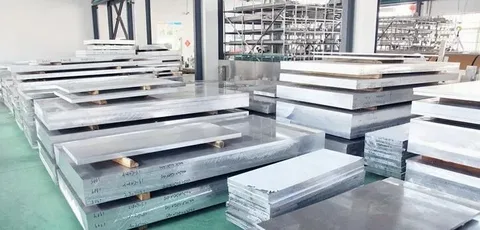
Modern architecture has witnessed a revolution in material science, with aluminium emerging as one of the most versatile and sustainable materials in construction. Among its many forms, the aluminium plate stands out for its strength, lightweight nature, and aesthetic flexibility. Architects across the globe are now embracing the innovative uses of aluminium plate in modern architecture to design structures that are not only visually stunning but also environmentally responsible.
The Rise of Aluminium in Architecture
Historically, aluminium was seen primarily in industrial applications. However, with advancements in fabrication technology, it has become a go-to material in architectural design. Aluminium plates, in particular, offer a sleek, modern finish that complements glass, concrete, and other contemporary materials. Their resistance to corrosion, ease of installation, and recyclability make them a favorite among designers aiming for sustainability and durability.
Façade Design and Cladding Solutions
One of the most innovative uses of aluminium plate in modern architecture is in façade systems. Aluminium plates are increasingly used for cladding, offering both protective and aesthetic benefits. They can be laser-cut, perforated, or textured to create dynamic patterns and surface effects. These façades not only enhance the building’s appearance but also help regulate temperature and reduce energy costs by reflecting solar radiation.
Interior Design and Decorative Features
Inside buildings, aluminium plates are being utilized in ceilings, wall panels, and even custom furniture. Their clean lines and metallic sheen lend a futuristic vibe to interiors. Designers can anodize or powder-coat the aluminium to match a variety of colors and finishes, allowing for a high degree of customization.
Structural Applications and Lightweight Frameworks
Beyond visual appeal, aluminium plates are also making their mark in structural components. Due to their high strength-to-weight ratio, they are ideal for use in modular building systems and prefabricated structures. This aligns perfectly with the goals of modern architecture — speed, efficiency, and sustainability. These innovative uses of aluminium plate in modern architecture are transforming how buildings are conceived and constructed.
Green Building and Sustainability
Aluminium is 100% recyclable without loss of properties, which makes it a crucial material in green building practices. By incorporating aluminium plates into architectural design, firms can significantly reduce the carbon footprint of construction. This commitment to sustainability is essential in today’s environmentally conscious architectural landscape.
Conclusion
The innovative uses of aluminium plate in modern architecture are shaping the future of design and construction. Whether through artistic façades, functional interiors, or sustainable building frameworks, aluminium plates are proving indispensable. As architectural demands evolve, so too will the creative applications of this dynamic material, pushing the boundaries of what’s possible in modern design.
