



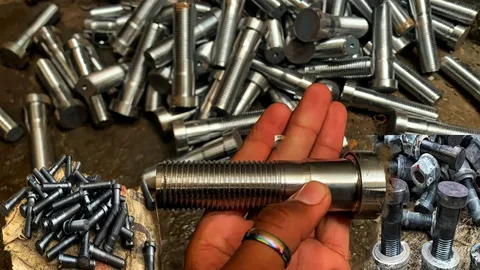
In the world of modern engineering, much attention is given to advanced materials, innovative designs, and cutting-edge machinery. However, one crucial component often goes unnoticed: the humble bolt. Despite its simplicity, bolts play a vital role in maintaining the integrity, safety, and efficiency of countless structures and machines. Understanding the hidden strength of bolts in modern engineering reveals why these small yet powerful components are indispensable.
The Fundamental Role of Bolts
Bolts are mechanical fasteners designed to hold components together securely. While they may seem basic, their impact on engineering projects is profound. From bridges and skyscrapers to automobiles and aircraft, bolts provide the stability and reliability necessary for these structures to withstand immense forces. The failure of a single bolt can lead to catastrophic consequences, emphasizing the need for precision and strength in their selection and installation.
Types of Bolts and Their Applications
Modern engineering uses a wide range of bolts, each designed for specific functions:
- High-tensile bolts: Used in heavy machinery and structural applications where maximum strength is required.
- Expansion bolts: Ideal for anchoring structures into concrete or masonry.
- Machine bolts: Commonly found in mechanical assemblies and industrial equipment.
Each type contributes uniquely to the overall performance of a structure, demonstrating the hidden strength of bolts in modern engineering in ways that are often overlooked.
Material Science Behind Bolt Strength
The strength of a bolt depends largely on the materials used. Engineers employ advanced alloys and treatments to enhance durability, resistance to corrosion, and tensile strength. For instance, stainless steel bolts are favored for their resistance to rust, while carbon steel bolts provide exceptional load-bearing capacity. The careful selection of materials ensures that bolts can endure extreme environmental and mechanical stresses, underscoring their critical role in engineering projects.
Bolts and Safety in Modern Structures
Safety is a primary concern in engineering, and bolts are central to it. Properly designed and installed bolts maintain structural integrity, even under dynamic loads such as wind, vibration, or seismic activity. Modern inspection techniques, such as ultrasonic testing and torque measurement, help engineers monitor bolt performance and prevent failures. These practices highlight the essential, though often invisible, contribution of bolts to safe and reliable engineering solutions.
Conclusion: Recognizing the Unsung Heroes
While they may appear simple, bolts carry a tremendous responsibility in modern engineering. From ensuring structural stability to enhancing safety and durability, they are the unsung heroes of countless projects. Appreciating the hidden strength of bolts in modern engineering allows us to recognize how these small components hold massive importance, bridging the gap between innovation and reliability.
